Character-aware interviews
Designed character knowledge and reply rules so Dafu and Lin Min provide different, complementary accounts.
See the design details ↓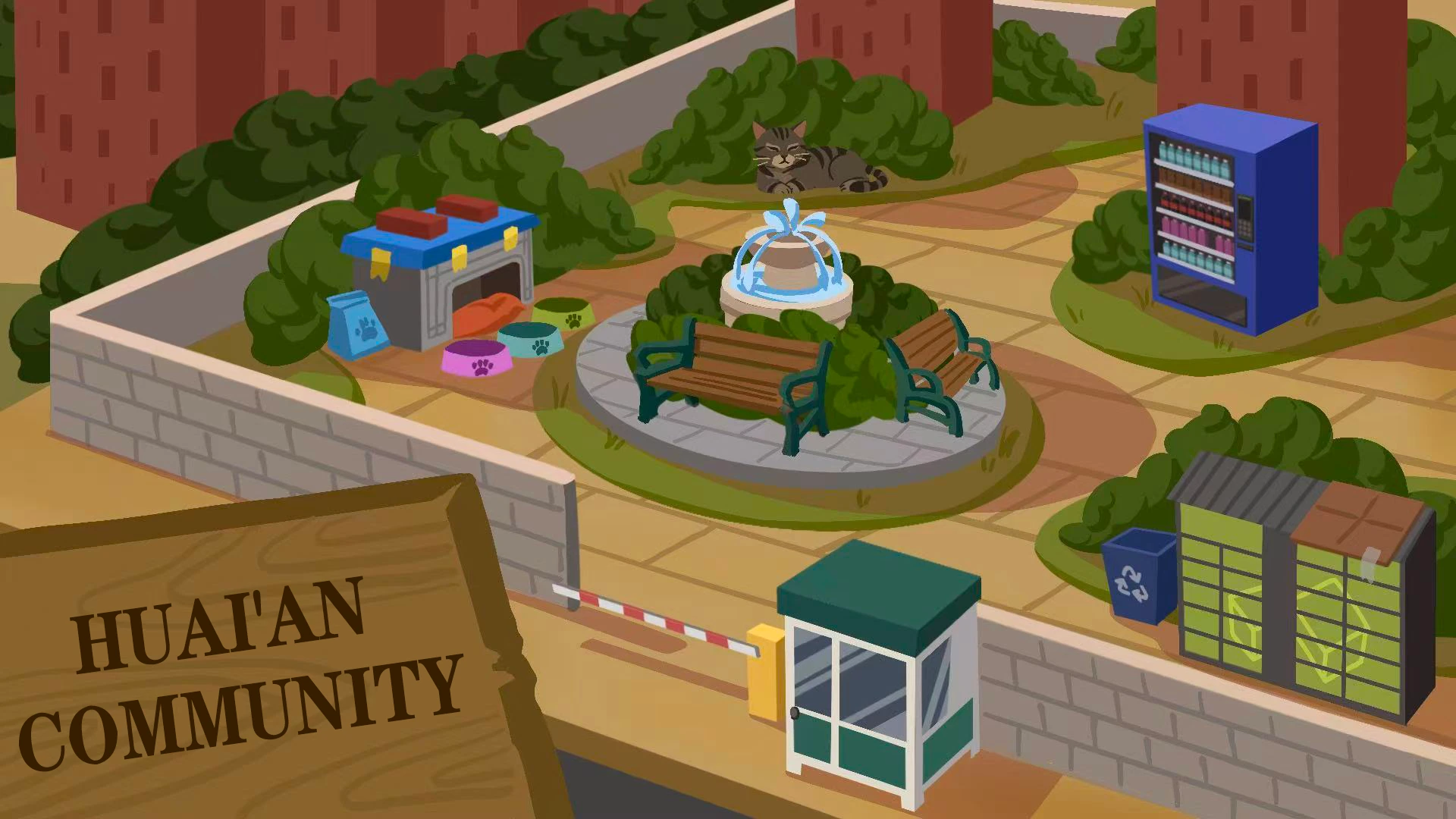 ← All projects↓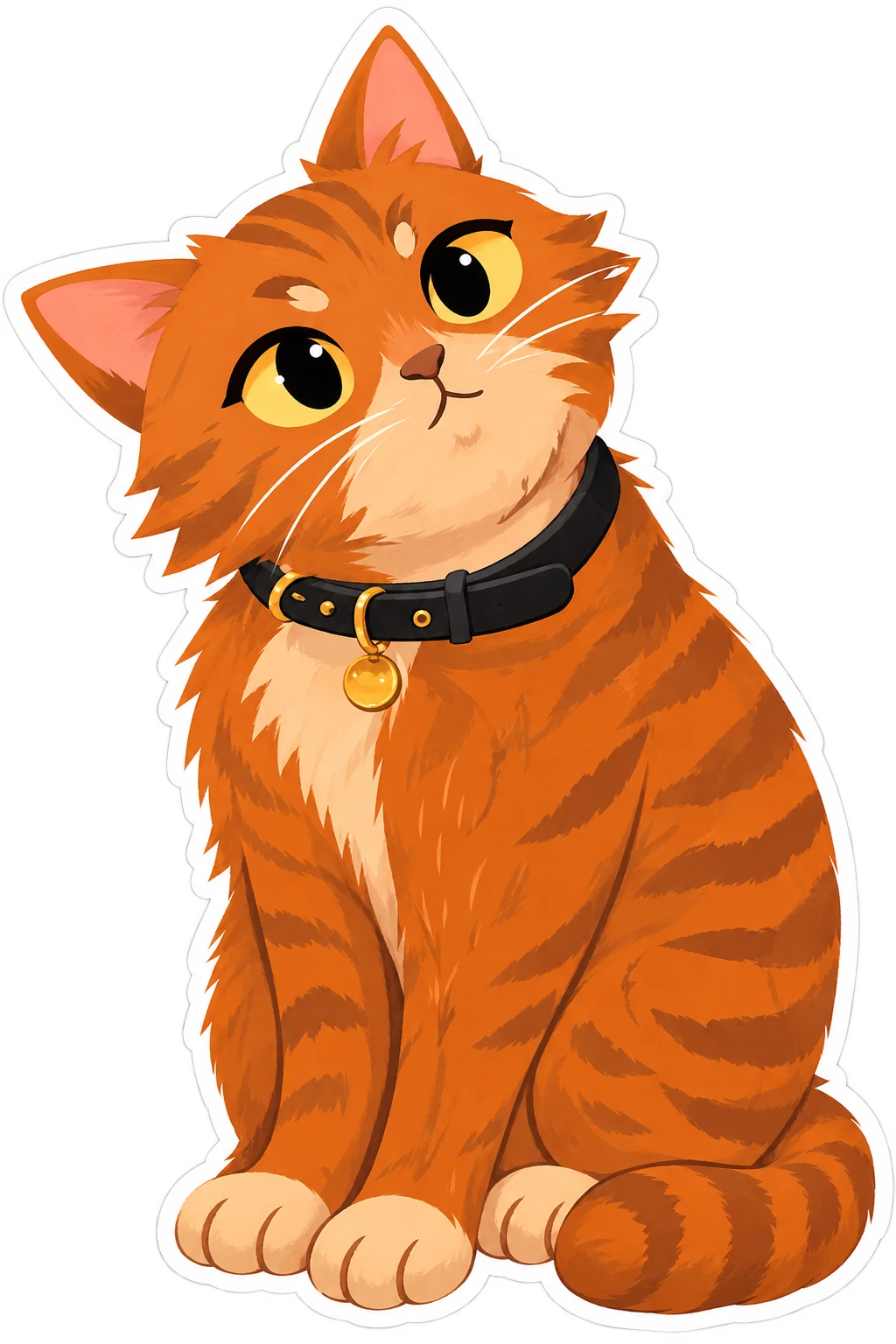
What would a cat tell us about its own rescue? I built a narrative investigation game around that question, connecting free-form AI interviews to a reporter’s notes and an evidence-based writing system.
Free-form interviews with clear character boundaries.
Designed character knowledge and reply rules so Dafu and Lin Min provide different, complementary accounts.
See the design details ↓Connected discovered topics and source-labeled cards to article assembly and editor review.
See the design details ↓Created character and environment art and built runtime tools for UI layouts, hotspots and portrait placement.
See the design details ↓01 / INTERVIEW STRATEGY
The interview screen places Trust, Pressure and Focus beside the conversation. Familiar topics can build trust; repeatedly probing a painful memory can increase discomfort; repeated questions can drain attention. I designed these states to make the choice of question affect the interview, alongside the information returned.
02 / CHARACTER KNOWLEDGE
Dafu describes what he felt: something tight around his neck that he could not remove. Lin Min can explain the veterinary finding and treatment. I kept their knowledge different, so a character’s answer stays within that character’s experience. The design example below records the two accounts under the same topic, with their sources kept separate.
03 / NOTES & WRITING
Reporter’s Notes groups discovered information by topic and shows what remains unknown. Those clues unlock material cards that retain their sources. Players choose 8–10 available cards and assemble a draft with a writing template. The writing interface shows the selected-card count and paragraph coverage; editor review then checks for missing facts or misleading wording.
04 / VISUAL DESIGN
I used simplified forms, broad shadows and muted greens and ochres across characters and environments. The community map connects shared public spaces with places to investigate. At the editor’s desk, the repeated publication logo, magazines within reach and a bitten pear on the laptop establish the workplace and add character-specific details.
05 / UNITY TOOLS
I built three tools for adjusting the game in Unity. The layout tool selects and locks a UI control, then restores its position and size after rebuilding the interface. The hotspot tool edits highlighted interaction regions using normalized 0–1 bounds. The portrait editor fits different sprites into a shared slot using their aspect ratios and previews characters without advancing the dialogue.
06 / INTERVIEW IMPLEMENTATION
The implementation separates dialogue generation from changes to game state. Interview setup selects Dafu’s or Lin Min’s rule engine and clears session data. The code shown here records granted intel, compares unlocked material states, checks related clues and applies a character-specific constraint to Dafu’s replies.